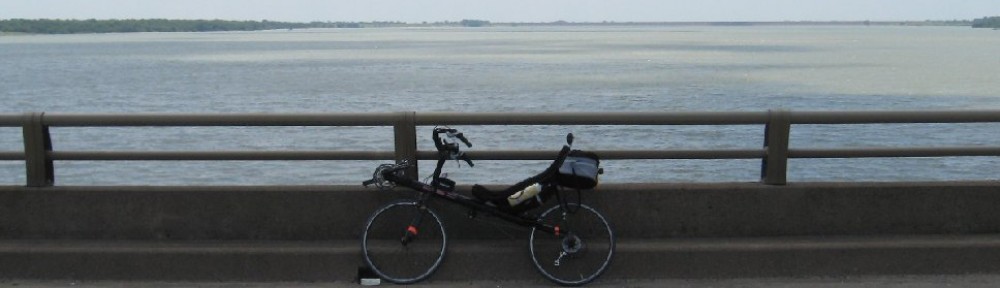
I made a trip to a Navarro County creek Thursday morning. This is the same creek I visited a few weeks ago, but I was a little bit further downstream Thursday. It was still a Wolfe City formation area. It ended up being one of those days where I spent more time hiking and exploring than I should have. I was looking for likely outcrops in this creek, and just didn’t find any. I eventually started checking the unlikely looking ones closely, but never did find any fossils that way. I finally spent some time crawling gravel bars, and found a few things there. I’m still a relative newbie at this, but in my limited experience, I’ve had better luck finding fossils in good shape in outcrops than on gravel bars. This day was no exception; what I found on the gravel bars was in rough shape.
The best gravel bar was less than a half mile downstream from the outcrop where I found everything last time I was in this creek, but it was obvious that Thursday’s teeth didn’t come from that outcrop. All of the teeth from that outcrop were black; Thursday’s teeth were brown. I found myself wondering where the outcrop was where they came from, if it was covered with mud and would show up again next flood, or if I had just missed it in my searching. I didn’t leave myself much time for crawling gravel bars Thursday. I want to hunt this area again. Thursday’s haul was pretty sparse, and in rough shape. Click the photos to be able to zoom in and get a closer look.
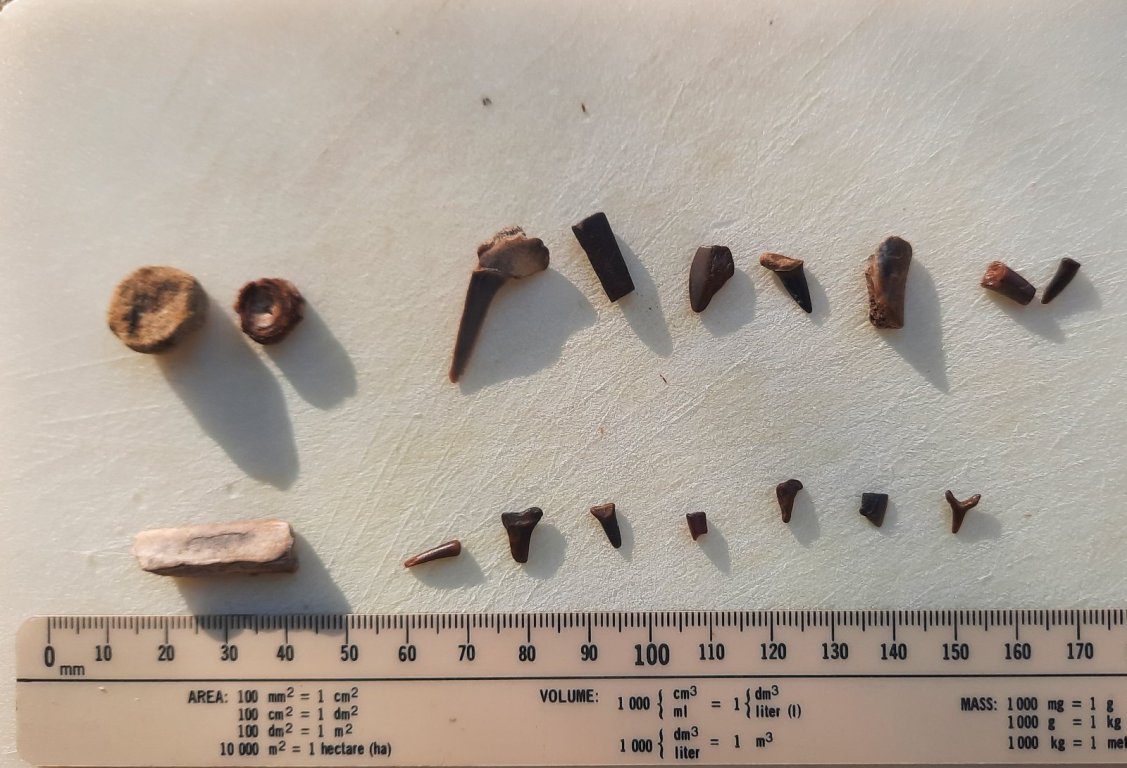
Here are a couple of in situ photos. You’ll have to look very closely to see the fossil in that first photo. Hint: it’s really close to the glove.
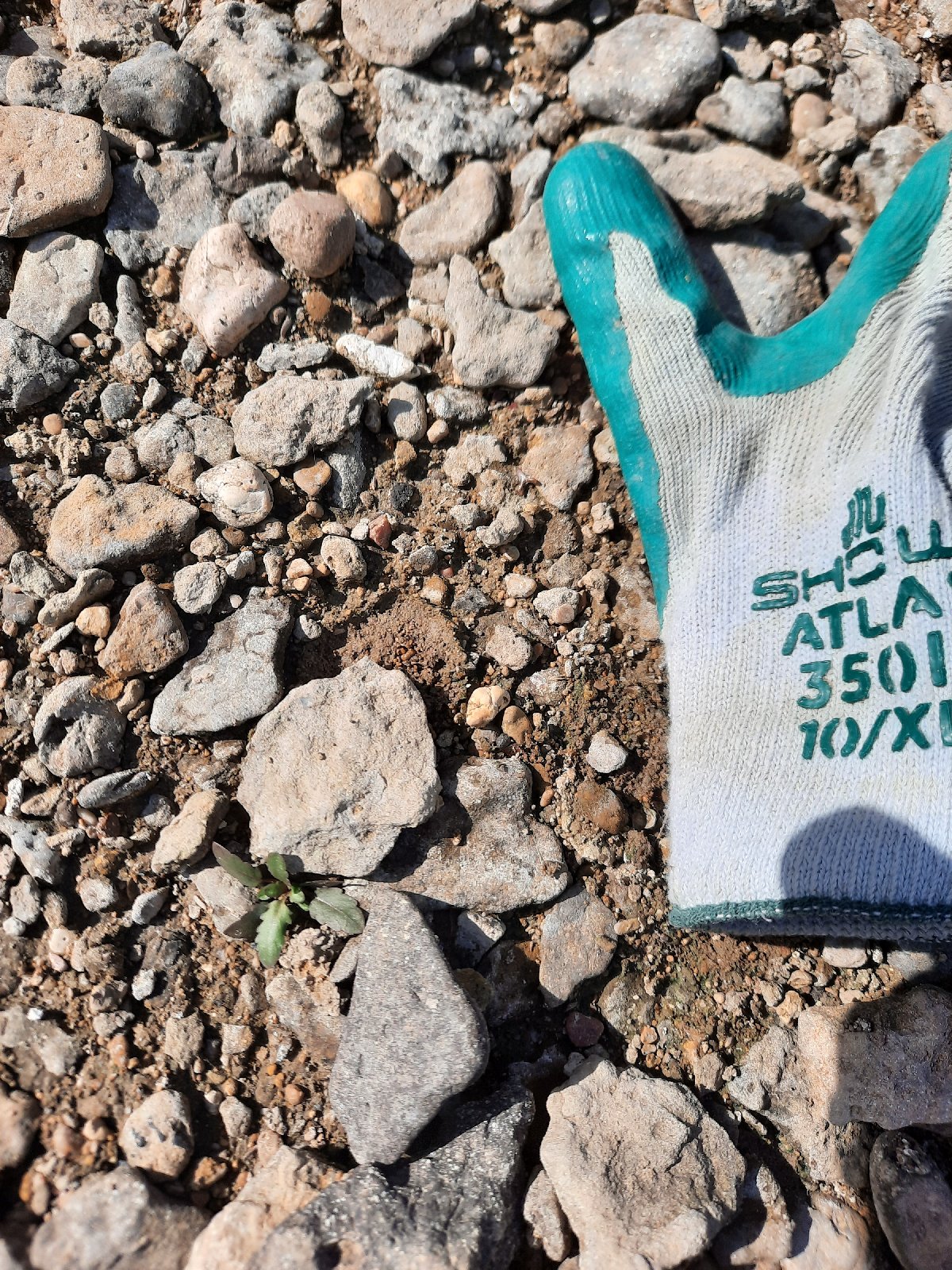

Here’s the tooth from the second in situ photo. When I saw that in situ view, I thought I had found a beautiful tooth, half buried in gravel. It turned out the half of the tooth I was seeing was all there was. It had split in two.

This tooth from the first in situ photo is in better shape than anything else from the trip. A pretty little tooth.
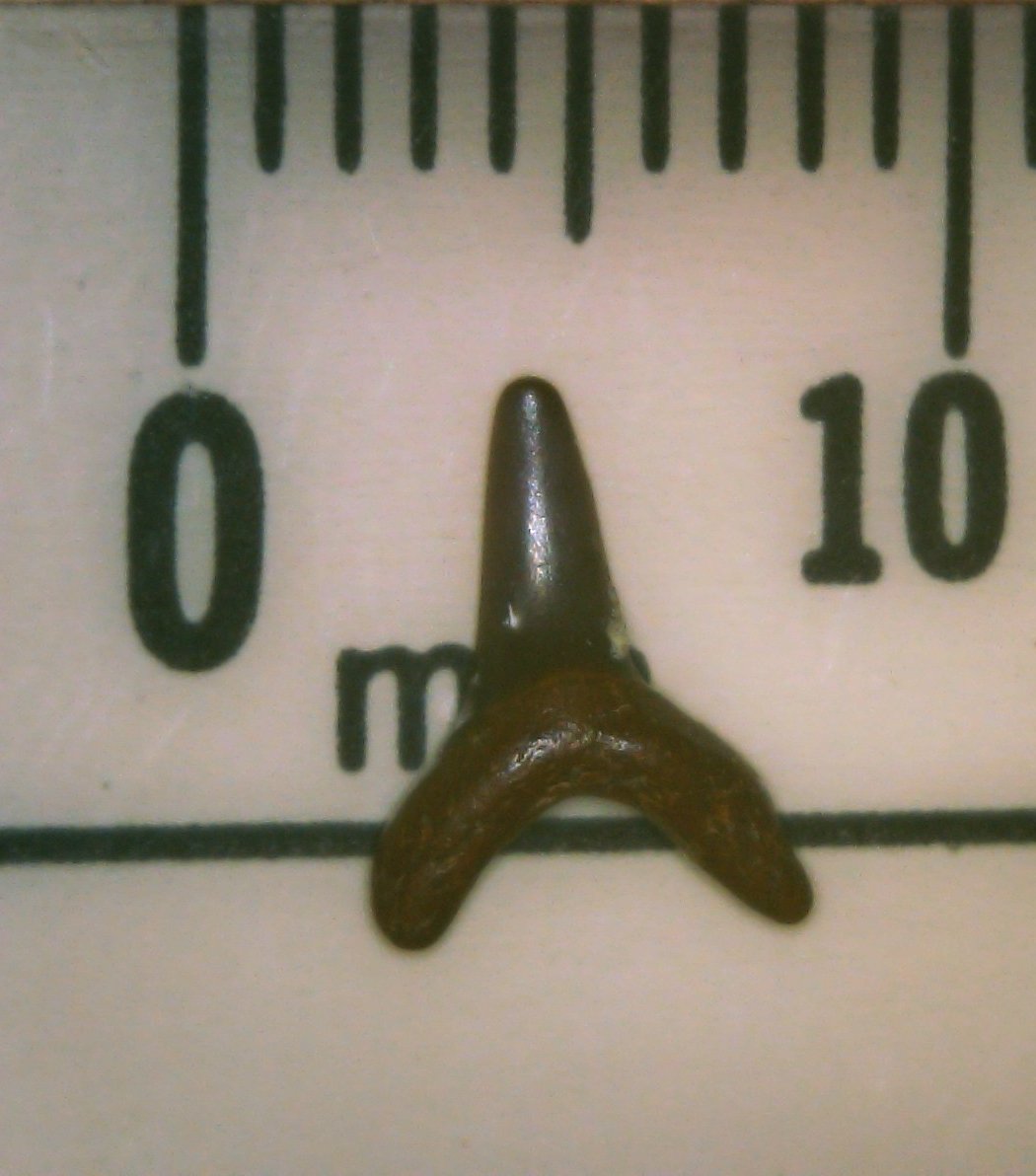
This appears to be a piece of an Enchodus fang.
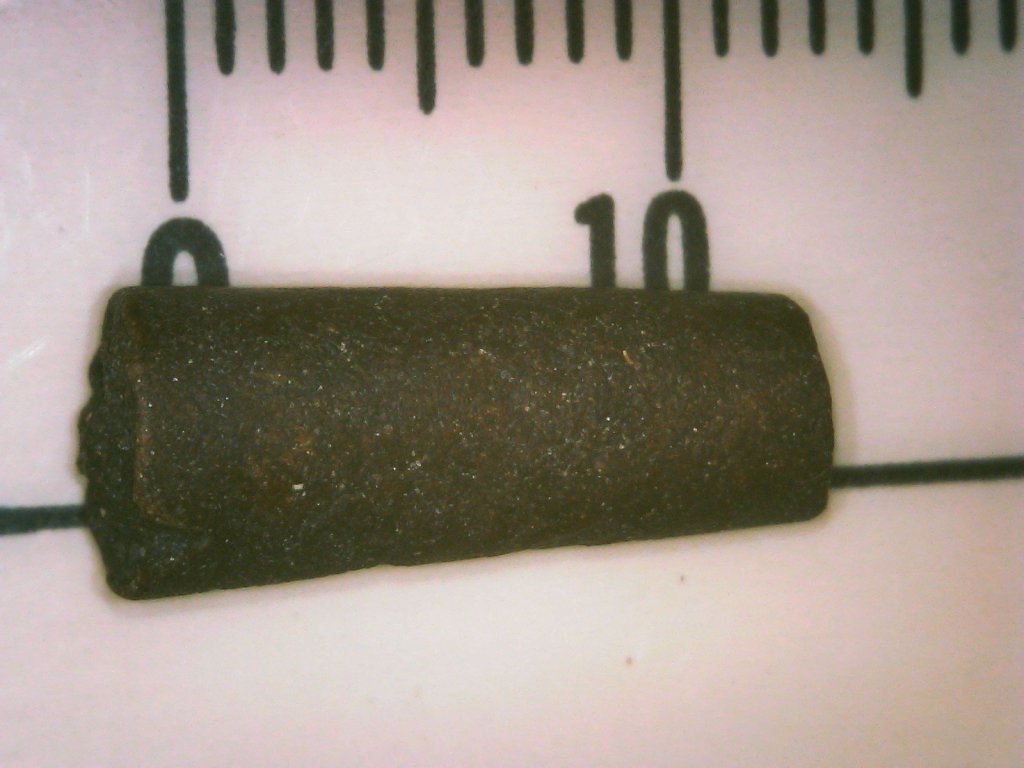
This Squalicorax tooth isn’t just broken, it’s also worn to the point that there aren’t any serrations left.

This smaller Squalicorax tooth is also broken, but still has serrations.
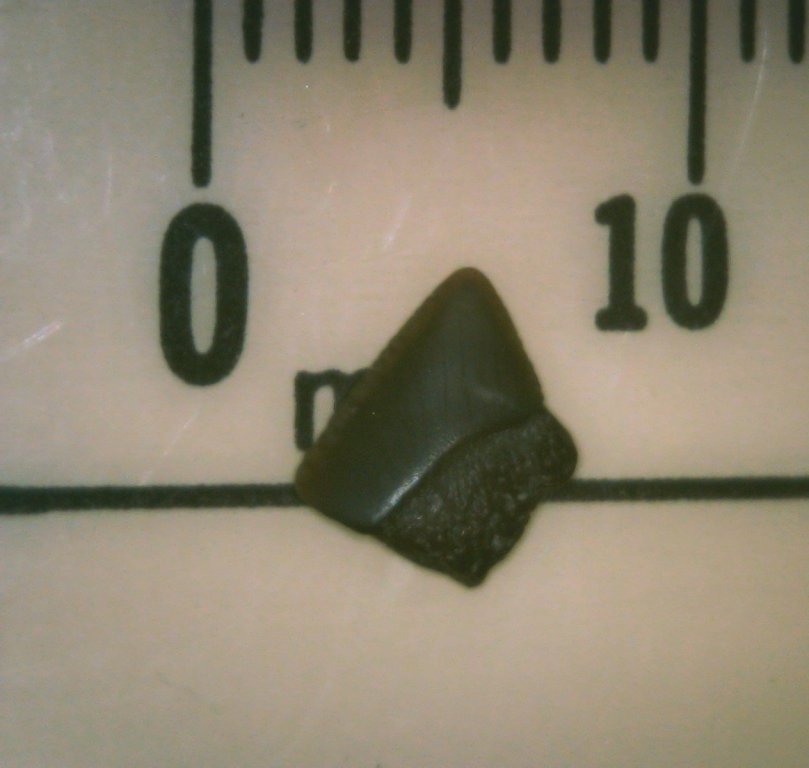
Not enough left of this long and slender tooth to tell what it is.

This one has obviously done some serious tumbling on the rocks
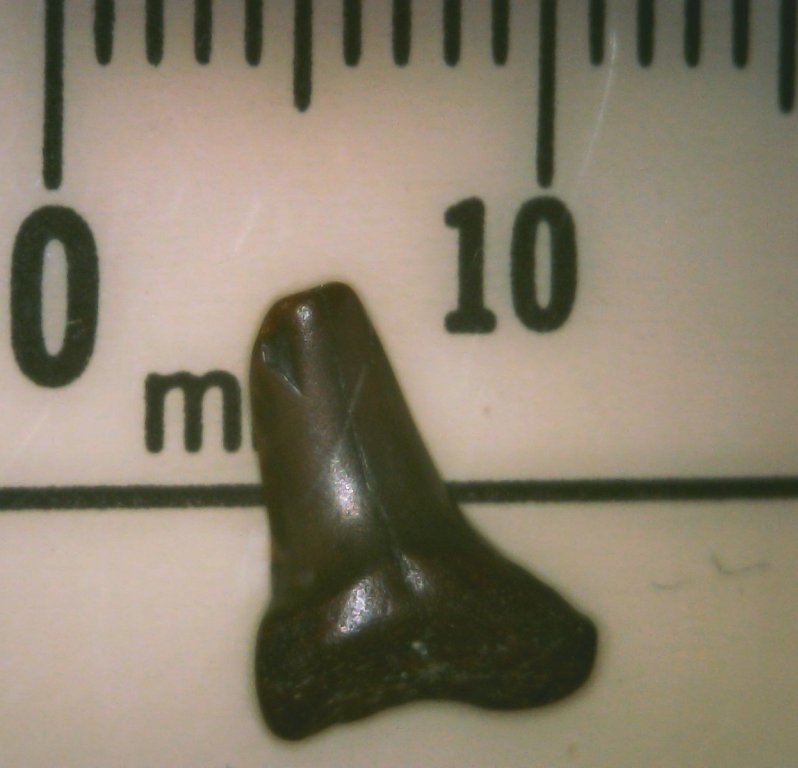
One root missing from this one.
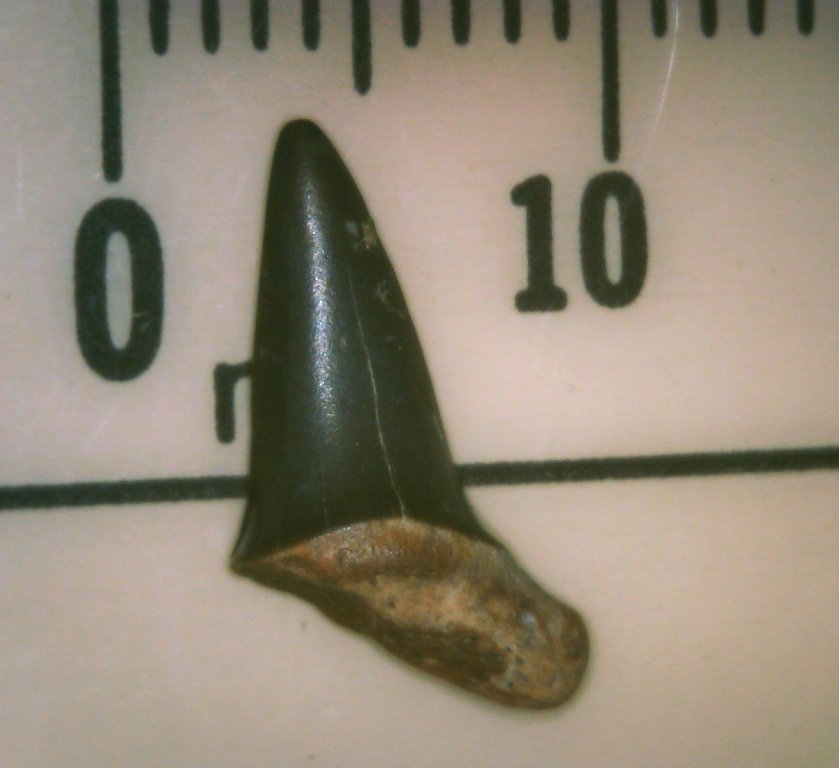
I thought this was a broken part of a large tooth, but the view of the break in that second photo makes it look more like a bone.

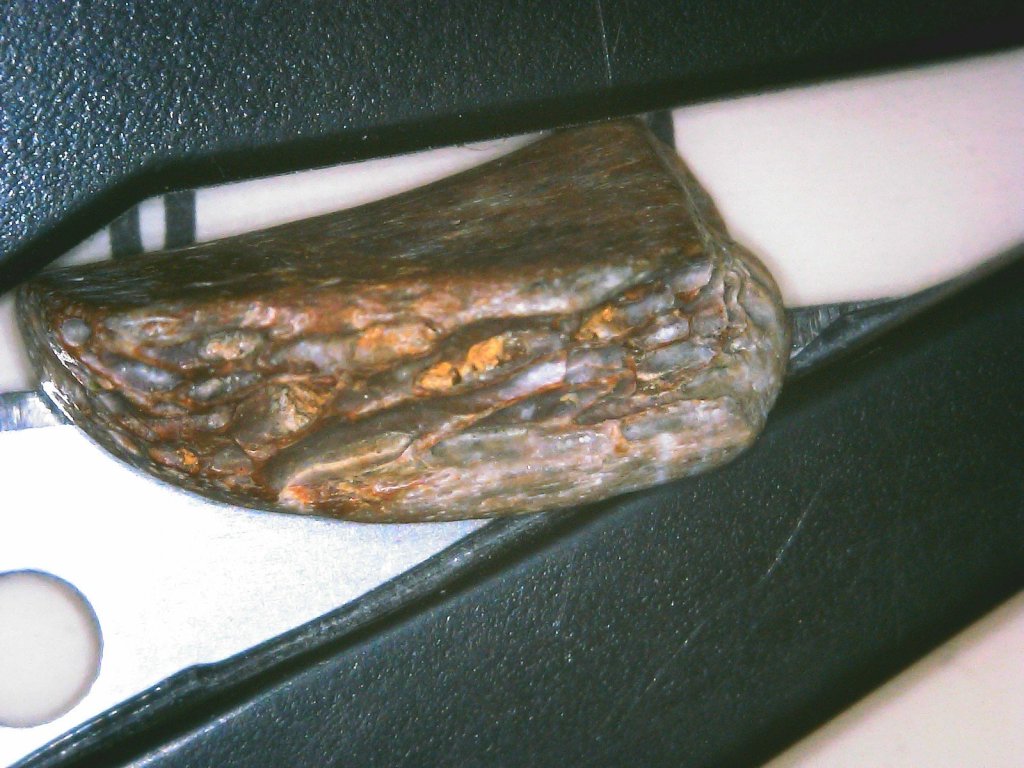
I thought this was a bone. Here are views of both sides.


But someone over at The Fossil Forum recognized it as a piece of a mammal tooth. Looking at this end view, that’s obviously correct.
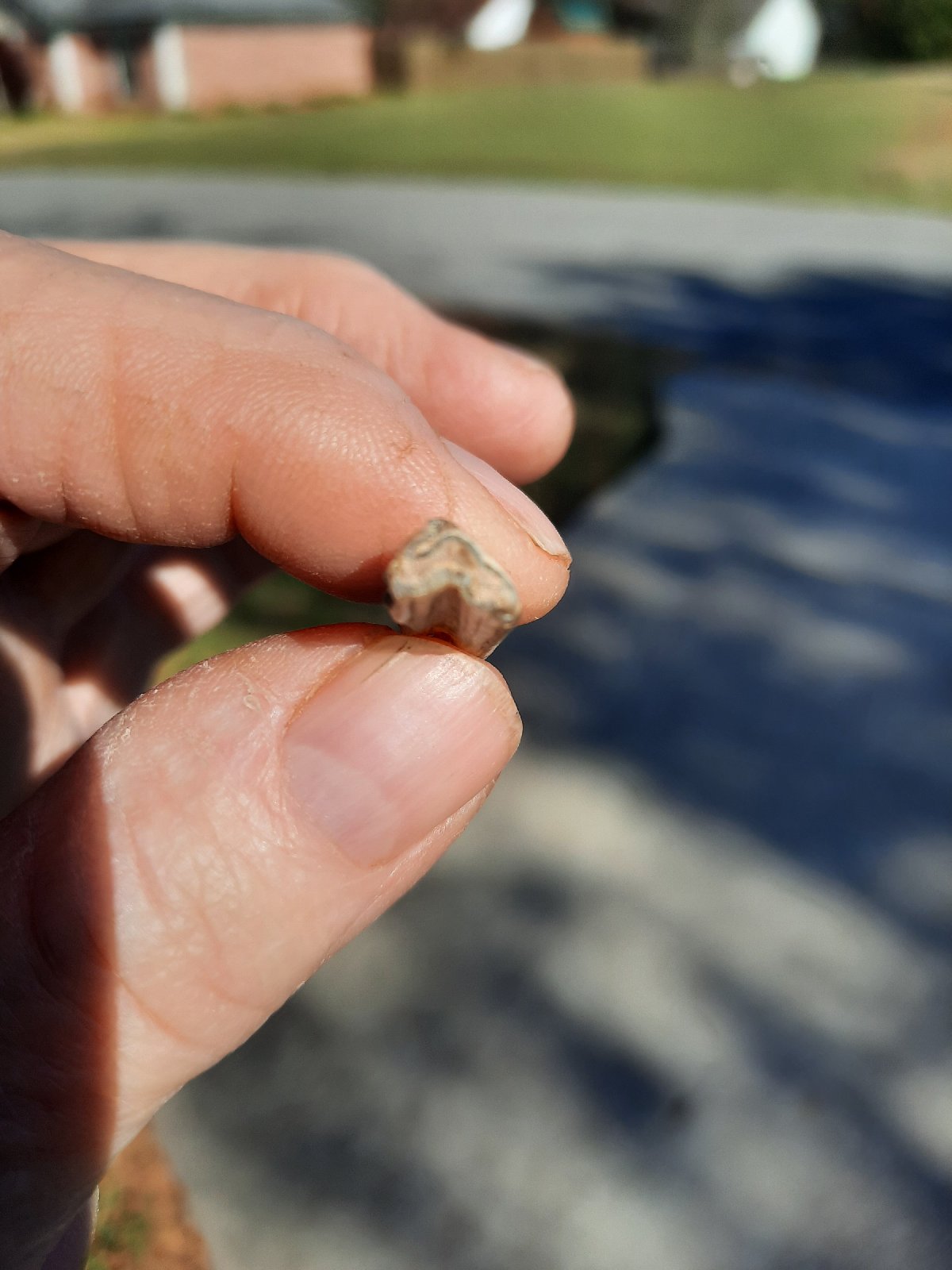
This smaller fish vert shows the effects of tumbling on the gravel. The larger one is covered with so much matrix that I almost didn’t recognize what it was.
